Can Uterine Fibroid Symptoms Affect Everyday Activities?
Wiki Article
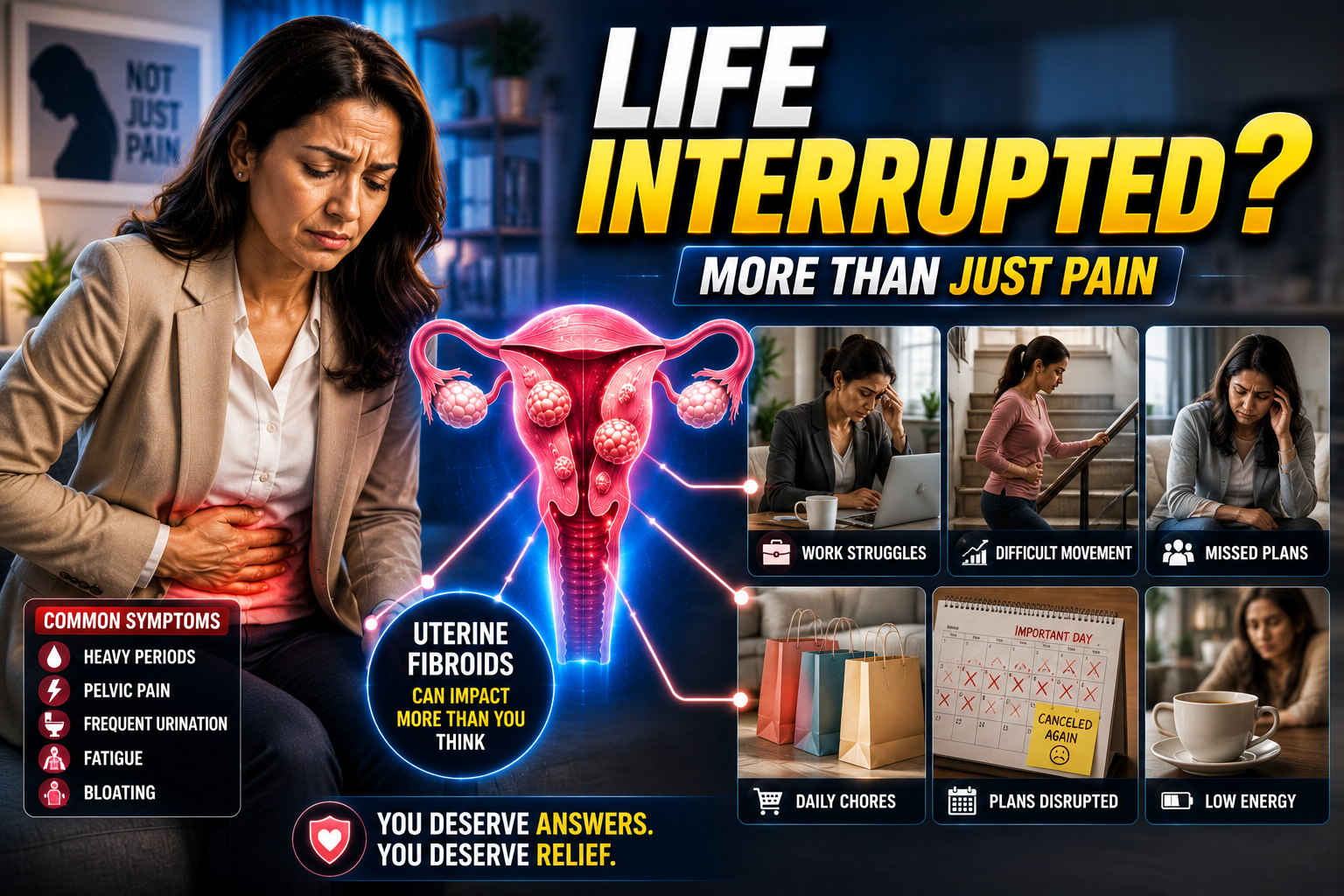
Yes, uterine fibroid symptoms can have a significant impact on everyday activities, especially when they become persistent or severe. Heavy menstrual bleeding, pelvic pressure, fatigue, frequent urination, and ongoing discomfort may interfere with work, exercise, travel, sleep, and social life. While some women experience only mild symptoms, others find that fibroids gradually reduce their comfort and quality of life.
Many women adjust their routines without realizing how much fibroid symptoms have affected them. They may avoid long journeys, skip exercise, or plan their schedules around heavy periods. Understanding how uterine fibroid symptoms can influence daily activities helps women recognize when medical evaluation may improve both their health and overall wellbeing.
Why Do Fibroid Symptoms Affect Daily Life?
Uterine fibroids are non-cancerous growths that develop within the muscular wall of the uterus.
Their effect depends on:
Size
Number
Location
Growth pattern
According to the American College of Obstetricians and Gynecologists (ACOG), some women remain symptom-free, while others experience symptoms that significantly affect their daily routine.
The larger or more strategically located the fibroid, the greater its potential impact.
Can Heavy Periods Disrupt Work and Daily Routines?
Yes.
Heavy menstrual bleeding is one of the most common ways fibroids interfere with everyday life.
Women may experience:
Longer menstrual periods
Frequent sanitary product changes
Passing large blood clots
Difficulty concentrating at work
Planning meetings, travel, or social events around menstrual bleeding can become stressful over time.
Persistent heavy bleeding should not be considered a normal part of life.
Can Fibroids Make Physical Activity Difficult?
Yes.
Pelvic pressure and discomfort may reduce comfort during physical activity.
Some women notice:
Pain while exercising
Heaviness during walking
Reduced stamina
Discomfort while standing for long periods
Although regular exercise remains beneficial, persistent symptoms deserve medical evaluation rather than simply reducing activity.
How Can Frequent Urination Affect Daily Life?
Fibroids located near the bladder may place pressure on it.
This can lead to:
Frequent trips to the bathroom
Interrupted work
Difficulty during long journeys
Night-time urination that disturbs sleep
These symptoms often become more noticeable as fibroids enlarge.
Doctors can determine whether the bladder symptoms are related to fibroids or another condition.
Does Fatigue Affect Productivity?
Yes.
Heavy menstrual bleeding associated with fibroids may gradually lead to iron deficiency anemia.
Women may experience:
Constant tiredness
Reduced concentration
Low energy levels
Difficulty completing everyday tasks
Fatigue often develops gradually, making it easy to mistake for a busy lifestyle or poor sleep.
Treating the underlying cause can help improve overall wellbeing.
Can Fibroids Affect Emotional Wellbeing?
Yes.
Living with ongoing symptoms may affect emotional health.
Some women experience:
Increased stress
Frustration
Reduced confidence
Anxiety about future fertility
Managing persistent symptoms can become emotionally exhausting, particularly when they interfere with work, relationships, or social activities.
Recognizing this impact is an important part of comprehensive care.
Can Sleep Be Disturbed?
Yes.
Women with symptomatic fibroids may experience interrupted sleep because of:
Frequent urination
Pelvic discomfort
Heavy bleeding
Abdominal pressure
Poor sleep may further contribute to daytime fatigue and reduced productivity.
Addressing the underlying fibroid symptoms may help improve sleep quality.
How Do Doctors Assess the Impact?
Doctors evaluate more than the fibroids themselves.
Assessment usually includes:
Medical history
Discussion of symptoms
Pelvic examination
Pelvic ultrasound
If additional detail is required, Magnetic Resonance Imaging (MRI) may also be recommended.
Doctors consider how symptoms affect work, exercise, sleep, fertility plans, and quality of life before recommending treatment.
Can Treatment Improve Everyday Life?
Yes.
Treatment depends on:
Symptom severity
Fibroid size
Fibroid location
Future pregnancy plans
Overall health
Management options may include:
Observation
Medication
Uterine Fibroid Embolization (UFE)
Myomectomy
Hysterectomy
Uterine Fibroid Embolization is a minimally invasive procedure that blocks the blood supply to the fibroids, causing them to gradually shrink while preserving the uterus.
Treatment recommendations are individualized according to each woman's condition and goals.
Conclusion
Uterine fibroid symptoms can affect much more than reproductive health. Heavy menstrual bleeding, pelvic pressure, fatigue, urinary symptoms, and discomfort may gradually interfere with work, exercise, travel, sleep, and emotional wellbeing. Because these changes often occur slowly, many women adapt without realizing how much their quality of life has been affected.
The encouraging news is that modern imaging and minimally invasive treatment options allow many women to manage symptomatic fibroids effectively while preserving the uterus. Early medical evaluation helps identify the cause of symptoms and supports personalized treatment planning before everyday activities become increasingly difficult. Women interested in uterus-preserving care can consult an interventional radiologist Jaipur to learn more about advanced fibroid treatment options.
Frequently Asked Questions
Can uterine fibroids interfere with everyday activities?
Yes. Fibroids may affect work, exercise, travel, sleep, and daily routines because of heavy bleeding, pelvic pressure, fatigue, and urinary symptoms.
Why do fibroids cause fatigue?
Heavy menstrual bleeding may lead to iron deficiency anemia, resulting in persistent tiredness and reduced energy.
Can fibroids make exercise uncomfortable?
Yes. Pelvic pressure and discomfort may make physical activity less comfortable for some women.
Do fibroids affect sleep?
Yes. Frequent urination, pelvic discomfort, and heavy bleeding may interrupt sleep and contribute to daytime fatigue.
Can treatment improve quality of life?
Yes. Appropriate treatment can reduce symptoms, improve comfort, and help many women return to normal daily activities.
Report this wiki page